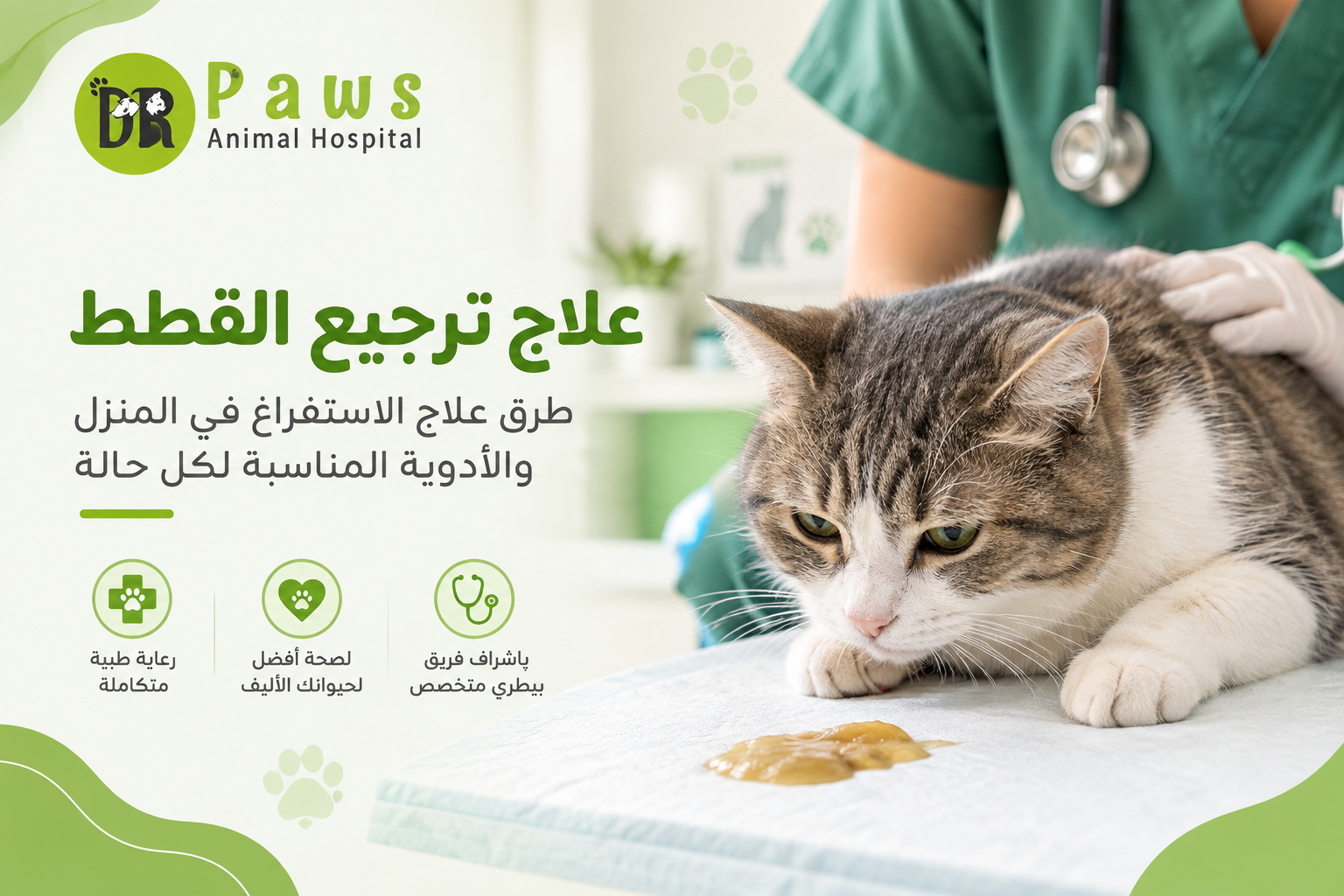
Treatment for feline vomiting (emesis) varies significantly based on the cat’s clinical condition, the severity of the vomiting, and the underlying cause. In mild, transient cases, dietary management, hydration control, and gastrointestinal rest may allow the stomach to settle. However, moderate to severe cases require veterinary medications, fluid therapy, diagnostic workups, and specialized clinical care.
Crucially, never administer any unprescribed medications to your cat—especially human over-the-counter (OTC) drugs—as many are toxic or fatal to felines. If vomiting is acute, recurrent, or accompanied by lethargy, hematemesis (blood in vomit), abdominal pain, or adipsia (refusal to drink water), immediate veterinary attention is required. At Dr. Paws New Giza, we provide comprehensive veterinary evaluations and tailored treatment plans designed for your cat’s specific health needs.
Home Management for Feline Vomiting
Home care is only advisable when the cat is in good general health, the vomiting is mild and non-recurrent, and there are no underlying red-flag emergency symptoms.
Key steps for managing mild vomiting at home include:
- Provide clean, fresh water in controlled, moderate quantities to prevent rapid gulping.
- Withhold large meals immediately following a vomiting episode to prevent further gastric irritation.
- Offer small, bland, frequent meals once the stomach has stabilized.
- Avoid high-fat foods and refrain from sudden dietary transitions.
- Reintroduce the standard diet gradually over several days.
- Monitor your cat closely over the subsequent hours to ensure vomiting has ceased.
- Keep a detailed log of the frequency, appearance/consistency of the vomit, and any concurrent clinical signs.
If vomiting resolves and your cat returns to normal activity and appetite, supportive home monitoring may be sufficient. However, if vomiting persists or recurs, do not rely solely on home care; your cat may require subcutaneous or intravenous fluids, antiemetics, or diagnostic testing to address the underlying cause.
Treating Vomiting Caused by Rapid Food Ingestion (Gulping)
If your cat vomits un-ingested or partially digested food immediately after eating due to rapid consumption (regurgitation or postprandial emesis), modifying feeding habits rather than administering medication is often the primary solution.
Recommended strategies include:
- Division of the daily food ration into multiple smaller portions throughout the day.
- Utilization of slow-feeder bowls or puzzle feeders designed to reduce eating speed.
- Staggering meal deliveries rather than offering large free-fed quantities.
- Separating the cat during mealtime to prevent competitive eating with other pets.
- Direct supervision during feeding sessions.
- Establishing and adhering to a strict, consistent feeding schedule.
If vomiting persists despite these behavioral and dietary adjustments, do not assume rapid eating is the sole etiology; a thorough veterinary evaluation is necessary to rule out underlying gastrointestinal disorders.
Managing Vomiting After Dietary Changes
Vomiting that manifests following a food transition often indicates dietary indiscretion or food intolerance. In such cases, the immediate step is often reverting to the previous, well-tolerated diet, followed by a much slower, phased transition.
Protocol for a gradual dietary transition:
- Mix a small proportion of the new food with the original food (e.g., 25% new, 75% old).
- Incrementally increase the ratio of the new food over a period of 7 to 10 days.
- Monitor stool consistency, vomiting frequency, and overall appetite closely.
- Halt the transition if overt gastrointestinal distress occurs.
If your cat requires a therapeutic prescription diet (e.g., highly digestible or hypoallergenic formulas), your veterinarian will prescribe the appropriate diet and protocol for safe introduction.
Treatment for Hairball-Induced Vomiting
When emesis is linked to trichobezoars (hairballs), management involves both addressing acute stomach irritation and reducing the volume of ingested hair during grooming.
Effective management practices include:
- Regular daily brushing and grooming to remove loose hair.
- Increased grooming attention for longhaired breeds (e.g., Persians, Maine Coons).
- Administration of veterinarian-recommended hairball control remedies or lubricants (e.g., petroleum-based laxatives).
- Switching to a high-fiber or specialized hairball-control diet upon veterinary advice.
- Close tracking of vomiting frequency.
Clinical Note: If your cat exhibits frequent non-productive retching or dry heaving, do not assume it is merely a hairball. Non-productive heaving can be a sign of a life-threatening gastrointestinal obstruction or respiratory distress requiring urgent veterinary care.
Treatment for Vomiting Accompanied by Diarrhea
When vomiting co-occurs with diarrhea (gastroenteritis), the risk of rapid dehydration and electrolyte imbalances increases significantly.
In mild, uncomplicated cases, a veterinarian may recommend:
- A temporary prescription gastroenterology diet (highly digestible, low-fat).
- Small, frequent feeding schedules.
- Oral rehydration solutions tailored for felines.
- Gastrointestinal protectants or probiotics.
- Monitoring body weight, hydration status, activity levels, and appetite.
If the gastroenteritis is severe, protracted, or accompanied by systemic signs, inpatient fluid therapy, parenteral antiemetics, and targeted therapeutics are required. Do not attempt to treat combined vomiting and diarrhea with home remedies or mixed OTC preparations, as improper dosing can exacerbate intestinal damage or cause toxicity.
Treating Vomiting Due to Parasitic Infections
When intestinal parasites (e.g., roundworms, tapeworms, Giardia) are identified as the underlying cause of emesis, definitive treatment requires targeted anthelmintic or antiprotozoal medications prescribed by a veterinarian.
Deworming protocols depend specifically on:
- The exact parasite species identified via fecal flotation or PCR.
- The cat’s age, body weight, and overall health status.
- The severity of the parasitic burden.
Random administration of over-the-counter dewormers is strongly discouraged. Following treatment, your veterinarian may recommend follow-up fecal testing and an ongoing preventative parasite control program.
Emergency Management of Foreign Body Ingestion
If emesis is triggered by the ingestion of a non-digestible foreign body (e.g., string, thread, hair ties, small plastic objects, or linear foreign bodies), immediate emergency veterinary evaluation is vital.
Depending on diagnostic imaging (radiographs or abdominal ultrasound), clinical management may involve:
- Inpatient medical observation if the object is small, smooth, and moving safely through the GI tract.
- Endoscopic retrieval under sedation or anesthesia.
- Emergency exploratory laparotomy (surgery) if the foreign object is lodged, causing a complete mechanical bowel obstruction, or risking intestinal perforation.
WARNING: Never attempt to induce vomiting at home. Felines are prone to aspiration pneumonia, esophageal trauma, and caustic damage during induced emesis. Furthermore, if a linear object (like thread) is trapped, inducing vomiting can cause severe intestinal tearing. If you suspect foreign body ingestion, contact Dr. Paws New Giza immediately.
Treatment for Toxic Ingestion (Poisoning)
Emesis resulting from toxin ingestion (e.g., lilies, human medications, insecticides, rodenticides, household chemicals) represents a critical medical emergency.
If you suspect toxicosis:
- Immediately remove the cat from the toxic source.
- Retain the original product packaging, plant sample, or safety data sheet if possible.
- Do not administer human medications, milk, or home remedies.
- Do not induce vomiting unless explicitly instructed by a veterinary clinician.
- Transport your cat to an emergency veterinary hospital immediately.
- Provide the clinician with exact details regarding the substance, estimated quantity, and time of exposure.
Treatment typically involves aggressive intravenous fluid therapy, gastrointestinal decontamination (e.g., activated charcoal), specific antidotes (if available), hepatoprotectants, and continuous organ function monitoring. Contact Dr. Paws immediately if toxicity is suspected.
Managing Gastroenteritis and Gastric Inflammation
When vomiting stems from acute or chronic gastritis or inflammatory bowel disease (IBD), veterinary therapy targets both symptom control and mucosal healing.
A comprehensive treatment protocol may include:
- Veterinary Antiemetics: Central-acting medications (such as Maropitant citrate/Cerenia or Ondansetron) to halt vomiting and nausea.
- Gastroprotectants & Antacids: H2-receptor antagonists or proton pump inhibitors (PPIs) to reduce gastric acid secretion and protect mucosal linings.
- Prescription Gastrointestinal Diets: Highly digestible diets formulated for sensitive digestive tracts.
- Fluid & Electrolyte Therapy: To restore hydration status and physiological balance.
- Targeted Antimicrobial or Anti-inflammatory Therapy: Prescribed only when a specific bacterial infection or immune-mediated etiology is identified.
Stopping the vomiting symptom alone is insufficient; long-term resolution requires identifying and managing the primary inflammatory trigger.
Veterinary Medications for Feline Vomiting: What Might be Prescribed?
Specific veterinary pharmaceuticals are utilized to control emesis and nausea in cats. However, drug selection, dosage calculation, and route of administration (oral, subcutaneous, or intravenous) must be determined exclusively by a licensed veterinarian.
Prescription factors depend on:
- Precise body weight (kg) and body condition score.
- Patient age and pediatric/geriatric status.
- Underlying etiology and renal/hepatic clearance capacity.
- Hydration status and electrolyte balance.
- Concurrent systemic illnesses or medication interactions.
A veterinarian may prescribe targeted antiemetics, gastroprotectants, prokinetics, or fluid therapy. Searching for a quick fix to stop vomiting without medical diagnosis risks masking progressive, underlying pathologies.
Can You Use Human Pharmacy Medications for Cat Vomiting?
Pet owners frequently inquire about administering human over-the-counter antiemetics or antacids as a quick remedy. Giving human medications to cats without explicit veterinary direction is extremely hazardous and potentially fatal.
Key medical risks include:
- Toxic Metabolic Differences: Felines lack specific hepatic enzymes (e.g., glucuronyl transferases), making them incapable of metabolizing many common human pharmaceuticals (such as Acetaminophen, NSAIDs, and certain antiemetics), leading to organ failure or death.
- Dosage Inaccuracy: Human drug concentrations are formulated for significantly higher body weights; micro-dosing for a 4 kg cat using human pills is extremely error-prone.
- Excipient Toxicity: Inactive ingredients, artificial sweeteners (like Xylitol), or preservatives in human liquid formulations can be toxic to pets.
If you are considering a specific medication, contact a veterinarian first to verify its safety profile, suitability, and precise dosage.
What to Do If You Have Already Administered Human Medication
If you have already given your cat a human pharmaceutical, do not administer any further doses and gather the following critical information for your veterinarian:
- Exact brand and drug name.
- Strength/concentration (e.g., mg or mg/mL).
- Exact volume or amount ingested.
- Exact time of administration.
- Your cat’s weight and any clinical signs observed post-ingestion.
If signs such as severe lethargy, ataxia, dyspnea (difficulty breathing), seizures, acute collapse, or persistent vomiting occur, proceed to an emergency veterinary clinic immediately.
Dehydration Management in Vomiting Cats
Dehydration is one of the most critical secondary complications of feline emesis. Cats lose vital fluids, sodium, potassium, and chloride rapidly when vomiting.
While mild cases may respond to controlled oral fluid intake, moderate-to-severe dehydration requires veterinary fluid resuscitation:
- Subcutaneous (SQ) Fluid Therapy: Administered in outpatient settings for mild-to-moderate fluid deficits.
- Intravenous (IV) Fluid Therapy: Administered during hospitalization for severe dehydration, hypovolemic shock, or active, continuous vomiting.
- Electrolyte Monitoring: Tracking serum biochemistry to correct metabolic imbalances.
Crucial Warning: Do not force-feed large volumes of water orally using a syringe. Forceful oral hydration in a nauseated cat frequently triggers immediate vomiting or, worse, pulmonary aspiration (aspiration pneumonia).
Post-Treatment Nutritional Management
Once acute vomiting has ceased, reintroducing food must be managed carefully to avoid triggering a relapse.
Post-Emesis Feeding Guidelines:
- Reintroduce food in small, frequent meals (e.g., 4 to 6 times daily).
- Use highly digestible, low-fat prescription GI diets or veterinarian-approved bland proteins (e.g., plain boiled chicken breast without bones, skin, or seasonings).
- Gradually increase meal volume while decreasing feeding frequency over 3 to 5 days.
- Monitor appetite, fecal output, and postprandial comfort closely.
If your cat refuses food (anorexia) for more than 24–48 hours, consult your veterinarian immediately to prevent hepatic lipidosis (fatty liver syndrome), a life-threatening liver metabolic disorder unique to cats.
When Is Home Care Insufficient? (Emergency Red Flags)
While minor, isolated instances of vomiting may resolve with supportive monitoring, you must seek immediate veterinary care if any of the following clinical signs are present:
- Frequent, persistent, or intractable vomiting.
- Hematemesis (blood present in vomit, appearing red or as dark “coffee grounds”).
- Inability to retain water or fluids.
- Anorexia (complete loss of appetite) lasting more than 24 hours.
- Marked lethargy, depression, or weakness.
- Abdominal pain, guarding, or distension.
- Dyspnea (labored or rapid breathing).
- Ataxia, muscle tremors, or seizures.
- Known or suspected toxin/poison exposure.
- Known or suspected foreign object ingestion.
- Very young (kittens), geriatric cats, or cats with chronic comorbidities (e.g., Chronic Kidney Disease, Diabetes Mellitus).
Early veterinary intervention is vital to prevent severe metabolic decompensation, hypovolemic shock, or advanced GI injury.
Veterinary Care for Vomiting Cats at Dr. Paws New Giza
If your cat is experiencing vomiting in New Giza or surrounding areas, Dr. Paws New Giza offers expert veterinary evaluation and diagnostic care to identify the root cause rather than relying on empirical guessing.
Our comprehensive clinical services include:
- Complete physical examination and triage.
- Diagnostic blood work (CBC, Serum Chemistry, Electrolytes).
- Digital Abdominal Radiography (X-rays) and Abdominal Ultrasound.
- Outpatient or inpatient Fluid Therapy (SQ / IV).
- Targeted veterinary antiemetics and GI protectants.
- Emergency medical and surgical intervention for GI obstructions or trauma.
- Post-treatment hospitalization and patient monitoring.
If your cat is currently vomiting and you are unsure whether home care or a clinic visit is necessary, do not wait. Contact the team at Dr. Paws New Giza via WhatsApp or phone for professional advice. You can also visit our contact page to schedule an appointment or inquire about emergency services.
Post-Recovery Care: Helping Your Cat Heal
Resolving the immediate vomiting episode is the first step; proper recovery care ensures long-term gastrointestinal health.
Recovery Best Practices:
- Strictly adhere to all veterinary drug schedules and complete the full course of prescribed medications.
- Do not discontinue prescribed medications prematurely, even if symptoms appear fully resolved.
- Maintain the recommended therapeutic diet until cleared by your veterinarian.
- Provide continuous access to fresh, clean water.
- Keep your cat in a quiet, low-stress environment.
- Monitor activity levels, litter box habits, and appetite daily.
- Do not introduce new treats, supplements, or food changes during the recovery phase without consulting your vet.
Frequently Asked Questions (FAQ)
What is the fastest way to treat vomiting in cats?
There is no universal single remedy. Mild, non-complicated cases may settle with gastrointestinal rest and controlled feeding, whereas systemic, infectious, or obstructive cases require prescription antiemetics, IV fluids, or surgery. Treatment must be tailored to the underlying cause.
What is the best home treatment for cat vomiting?
For mild, isolated cases in an otherwise healthy cat, providing controlled access to water, withholding large meals temporarily, and offering small, bland meals can help. Never give human OTC medications or unprescribed home remedies.
Is there a medication that stops cat vomiting immediately?
Yes, potent veterinary antiemetics (such as Maropitant citrate) can rapidly block the central vomiting center in the brain. However, these must be prescribed by a veterinarian following an evaluation to ensure they do not mask a surgical obstruction or underlying systemic pathology.
Can I give my cat medication from a human pharmacy?
No. Many human drugs are toxic to cats due to unique feline liver metabolism, and human dosages can easily cause fatal overdoses. Always consult a veterinarian prior to administering any drug.
What should I do if my cat vomits after every meal?
If postprandial vomiting occurs consistently, do not rely solely on dietary adjustments. Schedule a veterinary examination to evaluate for esophageal disorders, severe food allergies, gastritis, hyperthyroidism, or intestinal blockages.
What should I feed my cat after vomiting?
After vomiting has ceased, offer small amounts of a highly digestible prescription GI diet or plain, unseasoned boiled chicken. Reintroduce food slowly and avoid sudden diet changes.
Should I take my cat to the vet if they vomit only once?
If your cat vomits once, remains bright, alert, active, and continues to eat and drink normally without other symptoms, monitoring at home is usually safe. If vomiting repeats or is accompanied by lethargy, seek veterinary advice.
When is cat vomiting considered a veterinary emergency?
Vomiting is an emergency if it is frequent/continuous, contains blood, is accompanied by extreme lethargy, abdominal distension/pain, difficulty breathing, or if toxicity or foreign object ingestion is suspected.
Where can I get veterinary treatment for cat vomiting in New Giza?
You can contact Dr. Paws New Giza for comprehensive veterinary assessments, diagnostic imaging, laboratory diagnostics, and emergency care. Reach out via phone, WhatsApp, or through our website contact page for immediate assistance.
Contact a branch
Call or WhatsApp the branch nearest you.
-
New Cairo
-
Sheikh Zayed
-
October – New Giza


Dr. Paws Veterinary Team
Our clinical team provides preventive, emergency, diagnostic, and surgical care for cats and dogs across our Cairo branches.
Meet the team